
Sorry, no results.
Please try another keyword

Onboarding is a pivotal step in the SaaS user journey, serving as the bridge between acquiring a customer and ensuring they derive value from your product. Successful onboarding isn’t just about getting users started; it’s about guiding them to those critical “Aha!” moments that make them realize the true value of your solution. Let’s dive into why SaaS onboarding is so crucial and the best practices to make it effective.
SaaS onboarding is the process that guides new users as they learn how to use your service and sets them up to discover and understand the value of your product as quickly as possible. This phase sets the tone for the user’s entire experience, directly influencing satisfaction, adoption, and long-term retention. An effective onboarding process builds user confidence and ensures they understand how to get the most from your product, reducing frustration and maximizing engagement.
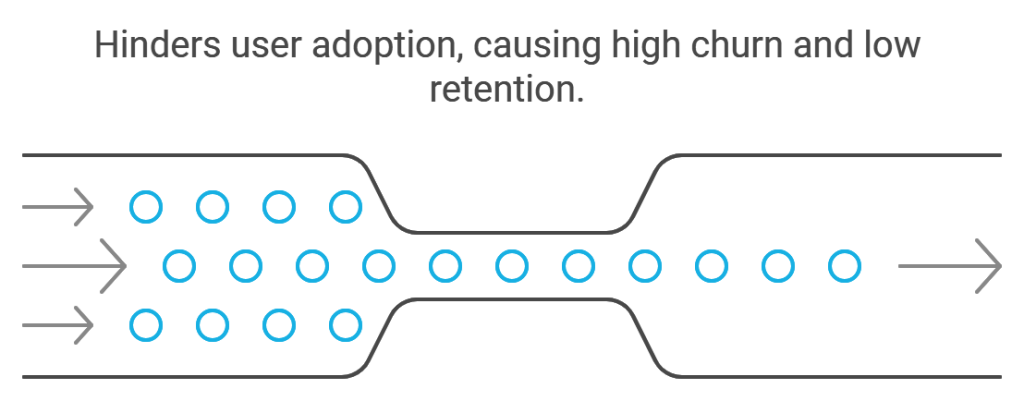
Without proper onboarding, SaaS companies face a significant risk of losing new users within the first week. In fact, up to 75% of new users may drop off if they don’t find value quickly. A poor onboarding experience can mean users never fully adopt your product, leading to low retention rates and, ultimately, high churn. Conversely, a positive first experience is key to driving ongoing engagement and loyalty.

A complex and lengthy signup process is one of the biggest barriers to onboarding success. Minimize the number of fields and steps required for signup to streamline the user journey and lower drop-off rates. Consider offering social login options, such as through Google or Microsoft, to further reduce friction. However, in certain cases—like enterprise-level platforms—adding some level of friction can be beneficial to better qualify leads and manage access.
Miro is an excellent example of a SaaS company that has optimized the signup process. By focusing on simplicity, Miro’s signup page is easy to navigate and encourages users to start experiencing value right away.
A strong first impression goes a long way. Begin by greeting new users with a welcome screen that briefly introduces them to your product. A microsurvey can then be used to gather information on their specific goals and preferences, allowing you to tailor the onboarding experience to meet their unique needs.
Once you have gathered initial data, segment your users to create personalized onboarding flows. For example, a beginner may need more foundational guidance, while an advanced user might want to dive straight into advanced features. By personalizing onboarding experiences based on user needs and behaviors, you can create a more relevant and engaging journey.
Providing users with a clear roadmap helps reduce any uncertainty about what actions they need to take to succeed with your product. Onboarding checklists guide users step-by-step, helping them see their progress and understand what comes next. Adding progress indicators and rewards for completing tasks, such as discounts or additional credits, can further motivate users to move forward.
Interactive product walkthroughs are more engaging than passive linear tours, as they encourage users to learn by doing. Allowing users to experience features as they are explained helps them retain information better and makes the onboarding more meaningful. The key is to make onboarding experiential, enabling users to get hands-on with your product from the very start.
Provide users with contextual guidance that appears exactly when they need it. Native tooltips can be highly effective in guiding users through features they may find confusing or overwhelming. These tooltips can be triggered by user actions or in-app behaviors, ensuring they provide help right when it’s most relevant.
For example, consider a social media scheduling tool like Buffer, which provides content templates when users are attempting to create their first post. This type of contextual help makes it easier for users to achieve their goals and prevents them from feeling lost.
Not every user will want to reach out to customer support for help, especially during the onboarding phase. Provide readily available self-serve resources like a help center, knowledge base, video tutorials, and FAQs. Empowering users to solve problems independently helps reduce frustration and gives them the confidence to explore the platform on their own.
Successful SaaS platforms, such as Slack and Intercom, have extensive knowledge bases that are easily searchable, providing users with the answers they need without having to wait for customer support assistance.
Onboarding isn’t a set-it-and-forget-it process. Regularly gather user feedback, conduct A/B tests, and analyze user data to continuously improve the onboarding experience. Testing different variations of onboarding steps can help identify what resonates best with users, ensuring a smoother experience over time.
The onboarding process should evolve as your product grows and the market changes. This might mean adding new onboarding flows for different features or revisiting existing ones to ensure they’re still effective. A dynamic onboarding process will help you maintain relevance and continue driving engagement and retention.
Box uses a gamified checklist approach to onboard new users effectively. Their checklist-driven onboarding process includes trial extension incentives, clear tooltips, and comprehensive in-app guidance to ensure users are equipped to succeed. By gamifying the experience, users feel rewarded as they progress through the onboarding journey, increasing their motivation to complete key actions.
Airtable employs a user persona questionnaire at the beginning of onboarding to understand the user’s goals and preferences. The onboarding experience is then segmented based on these responses, allowing Airtable to cater to different user levels—from complete beginners to advanced users. Their empty-state call-to-actions (CTAs) further encourage users to take the next steps, making the platform feel approachable and intuitive.
FullStory takes a personalized approach by incorporating persona-based questions early in the onboarding process. This helps tailor the experience to the specific needs of each user segment. The onboarding is designed to activate users early by guiding them toward their first major milestone, while their aesthetically pleasing user interface makes the onboarding visually enjoyable.
While it’s easy to assume that your onboarding is sufficient, key indicators may reveal the need for improvement.

Identifying these signs early on allows you to refine and improve your onboarding, creating a more effective journey that converts and retains users.
To wrap up, here’s a checklist of essential steps to create an effective SaaS onboarding experience that sets users up for long-term success.
A well-designed onboarding process is critical for driving user engagement, retention, and long-term success. By implementing these best practices, SaaS companies can ensure that new users understand the value of their product and are empowered to achieve their goals efficiently. Successful onboarding ultimately means more satisfied customers, higher adoption rates, and a thriving business.
From initial outreach to final onboarding, Joseph Studios is here to help you grow your business. Effective onboarding is just one crucial part of a holistic SaaS marketing and retention strategy that helps combat churn. So if you need help with SaaS marketing, consider partnering with us.
Schedule a discovery call today to explore how Joseph Studios can support your growth.

Sean Camilleri is a Digital Marketing & Growth Specialist at Joseph Studios, specializing in SEO, content marketing, and Pinterest strategy. With a background in FinTech risk management, he brings an analytical approach to organic growth — helping brands attract the right audience and turn targeted traffic into measurable results.

Our knowledgeable team is ready and eager to answer your questions. Want to learn more about our company and processes? Looking to explore our subscription services or discuss packaged pricing? Contact us or check out our pricing page to get acquainted.


