
Sorry, no results.
Please try another keyword
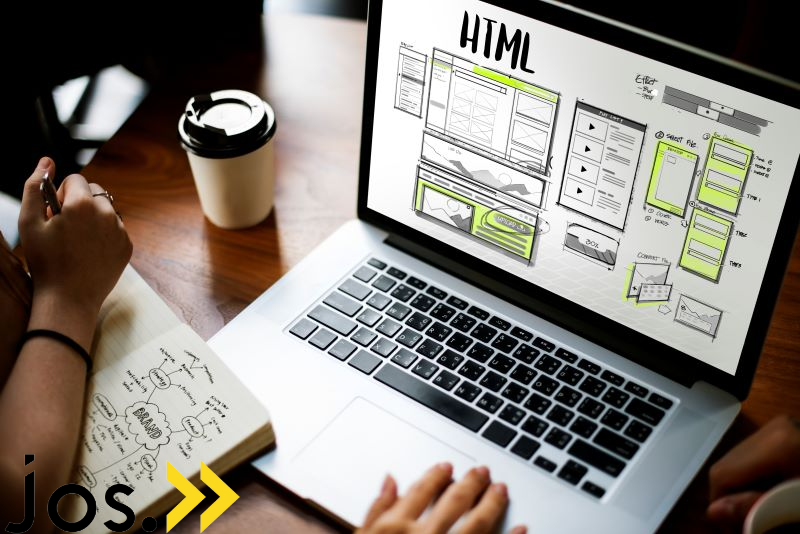
At some point, your website may no longer meet your needs. It might feel outdated, lack functionality, or fail to reflect the growth and direction of your business. Therefore, you may want to tweak it to enhance user experience and keep your brand relevant.
However, redesigning your site can have serious consequences. Even small changes, if not handled correctly, can negatively impact your SEO rankings. This can lead to a drop in web traffic and sales.
So, how do you improve your site without sacrificing search rankings?

A full SEO audit allows you to assess the health of your website and identify any existing issues and areas that need improvement. For instance, it can reveal the pages that rank well, the keywords you’re ranking for, and the technical issues holding your site back.
Some of the areas to focus on during the audit include page speed, mobile usability, and linking. You may also check pages indexed by search engines and analyze keyword performance to see what’s bringing in organic traffic. This information will guide your website redesign process and protect your current SEO performance.
Before making any changes, ensure you have a backup of your existing website. This step allows your team to experiment and make updates without the risk of losing your content, SEO structure, or other key elements that contribute to your current rankings. If issues arise or something breaks, you can restore the original version.
A proper backup should include all website files, images, databases, plugins, and themes. Most hosting providers offer backup tools, but you can also use third-party plugins or manual methods.
When redesigning your website, there’s a good chance that some URLs will change. You might restructure your navigation, rename pages, or clean up your permalink structure. While these updates can improve usability, they can also harm your SEO. Search engines may struggle to find your content, previously indexed pages could disappear from search results, and you risk losing traffic and rankings.
Before launching your new site, create a detailed map of all existing URLs and identify ones that will be changed or removed. For every outdated URL, set up a 301 redirect to the most relevant page. This permanent redirect tells search engines and users where to find the updated content, preserving your page authority and avoiding broken links. It also maintains your SEO performance and visibility during the transition.
Schema markup helps search engines understand your content by adding structured data to your pages. It can enhance how your site appears in search results through rich snippets like ratings, reviews, FAQs, or product information.
Changes in page structure, content types, or URLs can invalidate existing schema markup. This can affect your search listings, reducing your click-through rates and overall visibility. To avoid this, audit your current schema setup and adjust the markup based on the new design.
This will ensure search engines interpret your content more accurately and enhance how your redesigned site performs in search.
Before your redesigned website goes live, test it to ensure it functions properly and delivers a positive user experience. This step helps you catch potential issues before they impact your site’s performance or SEO.
First, set up a temporary URL or staging site for the new design. This allows you to test everything in a live environment without affecting your current site. Moreover, you’ll be able to identify any issues before making the final switch.
Check if all forms, buttons, links, and navigation elements work properly, and ensure there are no broken links, redirects, or 404 errors. It’s also important to test for mobile compatibility, assess the site’s speed performance, and verify SEO elements like meta titles, descriptions, and tags.
Once you are confident everything is running smoothly, you can transfer your site from the temporary URL to the live site.
A sitemap helps search engines crawl and index your site. If your site structure, URLs, or content are changed, the old sitemap may no longer reflect what’s on your site.
As such, once your redesigned website is live, you should submit an updated sitemap to search engines using tools like Google Search Console and Bing Webmaster Tools. Ensure the new XML sitemap includes all the important pages of your new website. Most CMS platforms and SEO plugins can do this automatically.
A new sitemap ensures that search engines can quickly understand and index your redesigned site. This will help maintain your visibility in search results and support a smooth SEO transition.
Once your redesigned website is live, you should actively monitor your SEO performance to ensure your site ranks well and attracts traffic. You’ll be able to catch issues early and make necessary adjustments to maintain or improve your search rankings.
Track key metrics like organic traffic, bounce rate, conversion rate, and keyword rankings to get insights into how your site performs in search results and how users interact with your pages. A sudden drop in traffic or rankings could indicate technical issues, broken links, or problems with your redirects.
Additionally, keep an eye on the effectiveness of your redirects. If any old URLs are still generating 404 errors or not redirecting properly, they could harm your SEO. It’s also important to monitor the performance of new pages and make sure they’re being indexed properly by search engines.
A website redesign doesn’t have to hurt your SEO. If done right, it can strengthen your online visibility and offer a smoother and more engaging experience for your visitors.
At JOS, we specialize in creating websites that look great and perform well in search engines. Our team will refresh your web content and structure to boost online traffic. We will also monitor performance to ensure it continues to perform well. Call us today to speak to one of our representatives.

Sean Camilleri is a Digital Marketing & Growth Specialist at Joseph Studios, specializing in SEO, content marketing, and Pinterest strategy. With a background in FinTech risk management, he brings an analytical approach to organic growth — helping brands attract the right audience and turn targeted traffic into measurable results.

Our knowledgeable team is ready and eager to answer your questions. Want to learn more about our company and processes? Looking to explore our subscription services or discuss packaged pricing? Contact us or check out our pricing page to get acquainted.


