
Optimizing the Dark Funnel: Measuring Invisible Tech Touchpoints

Metrics are critical to making smart marketing moves, but standard sales funnels don’t capture all customer behavior. Enter the dark funnel, which refers to the interactions and activities outside the scope of traditional tracking tools. These actions are often overlooked, causing businesses to miss important insights about a potential customer’s journey.
For instance, a person might listen to a podcast where your brand is mentioned but never visit your site immediately. They may also read reviews or join online communities discussing your tech product without engaging directly.
Since traditional tracking tools measure direct traffic and conversions through actions like clicks, they can’t capture these indirect or invisible activities.
The good news is that dark funnel marketing focuses on identifying and measuring these hidden interactions. These analytics will help you refine your strategies and maximize conversion rates. Here are ways you can optimize this strategy.
Analyze Dark Social
Dark social simply means the sharing of content privately through direct messages, text threads, emails, and closed social groups. For instance, when someone shares your blog post in a WhatsApp group or talks about your brand in a private Slack channel, that traffic often appears in your analytics with no traceable source.
You may analyze and measure dark social traffic by monitoring community conversations on Reddit, LinkedIn groups, or Discord channels where brand mentions may surface without formal tagging. You may also create a dedicated landing page for partnerships, guest appearances, or community promotions to help you trace visits to specific sources, even if the original referral link was shared privately.
Track Anonymous Website Engagement
Not every visitor on your website will fill out a form or leave traces. They might read blog posts, view product pages, or explore resources, but remain invisible in traditional CRM systems. While their identities remain hidden, their behavior can still reveal interest, intent, and buying readiness, which are all valuable components of dark funnel analytics.
You can measure this engagement using reverse IP tracking tools to identify the companies visiting your site, even if the user remains unknown. Heatmaps and session recordings may also reveal how anonymous users navigate your site, including where they pause, scroll, and exit. Additionally, you can use behavioral scoring techniques to track key actions such as repeat visits, content downloads, or time spent on high-value pages. This will help you nurture prospects through targeted advertising, personalized content, and account-based marketing strategies.
Use UTM Codes
UTM codes are snippets added to the end of URLs to track where your traffic is coming from. When someone shares a link in a Slack group or a community forum, a UTM-tagged URL allows you to trace that traffic back to its original campaign, platform, or content piece.
You only need to create custom tags for each distribution point. For example, you can use different UTM links for a LinkedIn post, a newsletter, a guest podcast, or even a partner shoutout in a private community. This allows you to see which channels are quietly driving high-intent traffic. The best part is that you can review your UTM data in Google Analytics or your preferred dashboard to identify traffic patterns that would otherwise remain invisible.
Multi-Touch Attribution Models
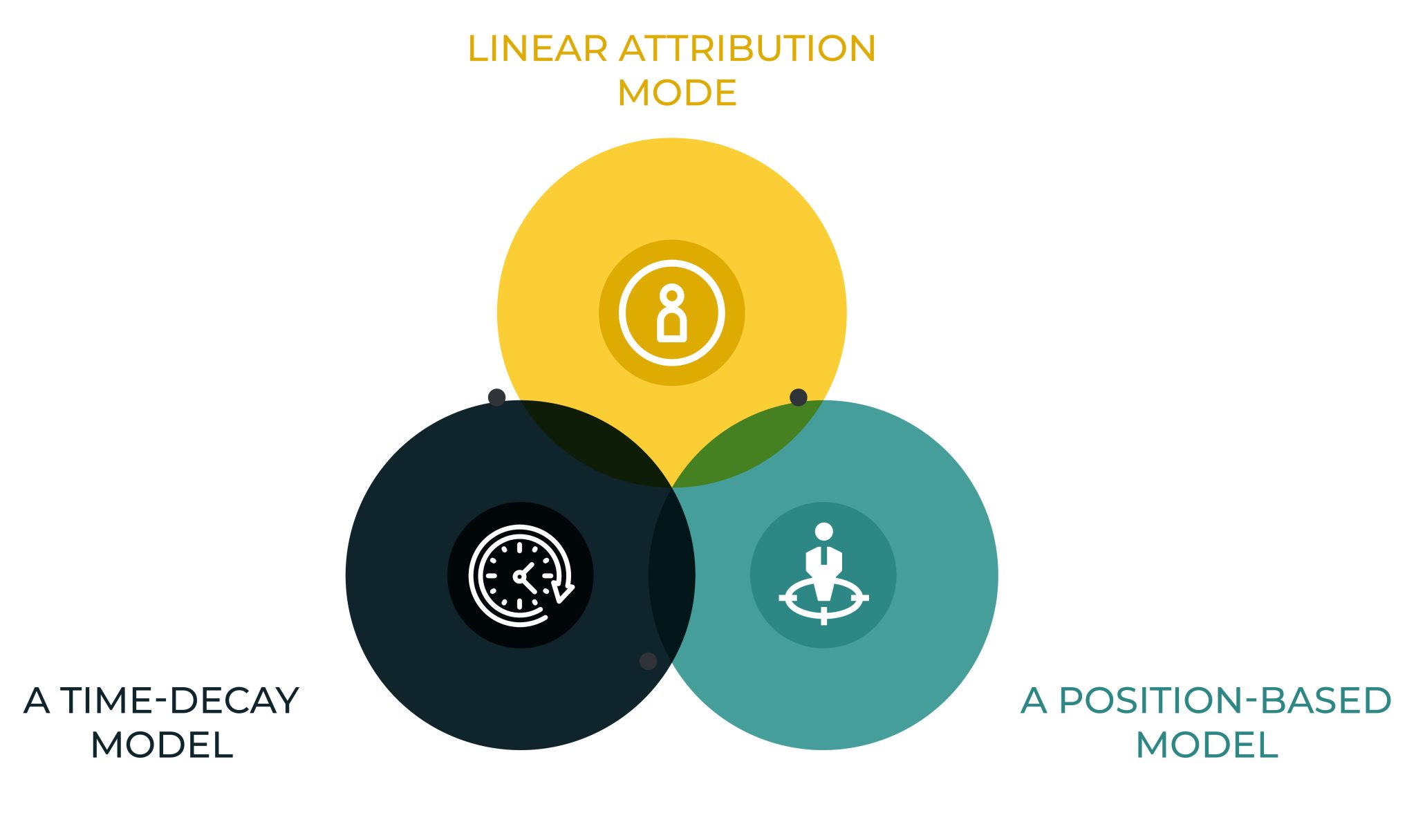
Multi-touch attribution models help track and assign value to every interaction a buyer has throughout their journey. Instead of only focusing on the final touchpoint, these models reveal the complete path a prospect takes before converting. You can choose from several options depending on what you want to measure most.
A linear attribution model distributes credit evenly across all touchpoints, showing how each interaction contributed to the buyer’s decision. A time-decay model gives more weight to activities before conversion, helping you see which recent efforts had the strongest influence. A position-based model highlights the first and last interactions so you can identify what sparked initial interest and what ultimately closed the deal.
For example, someone might read a blog post, listen to a podcast, spot a LinkedIn mention, or hear about you in a private Slack group before filling out a form. Tracking these steps will give you insights into the hidden influences shaping buying decisions, helping you focus your marketing efforts where they matter most.
Track Buyer Interest with Intent Data Providers
Much of a buyer’s research will happen off your radar. They may read third-party articles, compare solutions, or participate in private discussions. Platforms like Bombora and 6sense can monitor these activities across the web and deliver insights that signal when a user is actively researching topics related to your tech products or services. This will help you identify when potential buyers are showing early signs of interest, even if they have never directly interacted with your brand.
For instance, you will see what topics they are researching and how their behavior shifts over time. You can then use this information to prioritize outreach, tailor content, and deliver relevant messaging based on where prospects are in their decision-making process. This means you will be able to engage them while they are still exploring options, giving you a significant advantage over your competitors.
Self-Reported Attribution
The easiest way to understand how buyers discover your brand is to ask them. For instance, you can add a short, open-ended question like “How did you learn about us?” to forms or onboarding surveys.
Buyers might mention touchpoints such as podcasts, private groups, referrals, or casual social media conversations, which rarely appear in standard analytics. You can then measure these responses over time to spot trends, understand which marketing activities are making an impact, and allocate resources more effectively.
Turn Your Hidden Buyer Journeys Into Real Growth Through Dark Funnel Analytics
Most buyers make some of their purchasing decisions based on hidden interactions that traditional tracking and analytics tools cannot capture. If you are not measuring these invisible touchpoints, it becomes much harder to influence decisions early, strengthen customer relationships, and grow your business. By using dark funnel analytics to optimize your approach, you’ll be able to reach out to your target audience when their purchase journey begins.
At JOS, our marketing strategies are designed to reveal hidden buyer behaviors, boost engagement, and increase conversion rates. Reach out today and let us unlock the full potential of your marketing goals.
Ready to take your marketing to the next level? Speak to one of our team members today!

Maja has spent nearly a decade helping brands build authority, drive leads, and grow without relying on paid ads. With expertise in growth marketing, Generative Engine Optimization, technical SEO, and content-led growth, she turns smart content strategy into measurable business results.


