
Sorry, no results.
Please try another keyword
The Software as a Service (SaaS) industry has exploded in scope and complexity in recent years. Analysts report that the SaaS market will grow to $295.08 billion by 2025. This rapid expansion reflects the versatility of SaaS solutions across various industries and the increasing reliance on these platforms to drive business operations worldwide.
Amidst this booming growth, customer loyalty is a pivotal element defining the long-term viability of SaaS businesses. The SaaS model, with its subscription-based structure, fundamentally alters the traditional metrics of business success from mere acquisition to retention and renewal. Herein lies the crucial role of customer success—a strategic approach to ensuring that customers don’t just purchase a subscription but succeed in achieving their goals through your product.
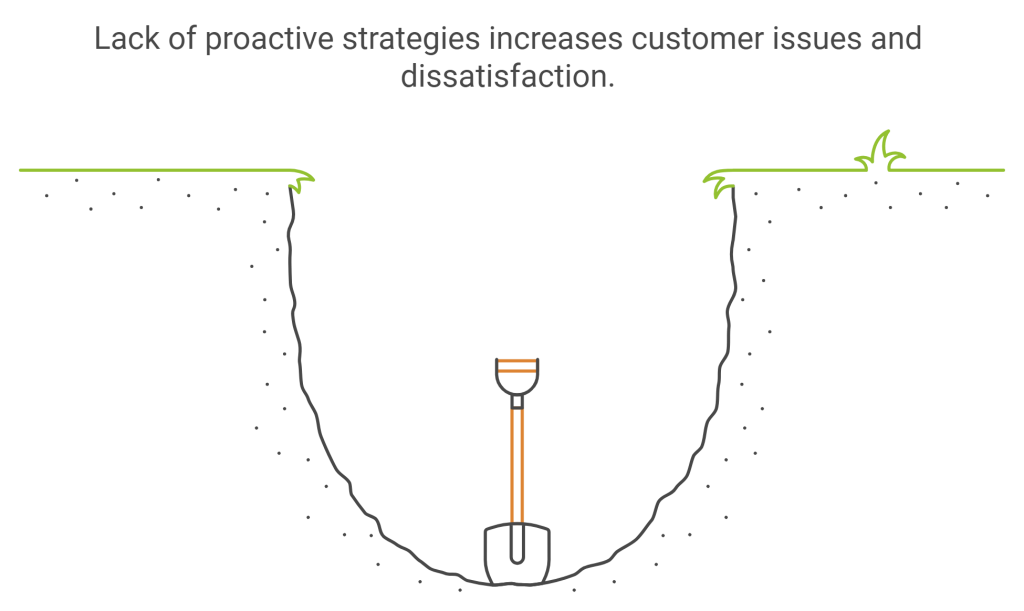
Customer success is about moving beyond traditional reactive customer service. It’s proactive, it’s deliberate, and it’s aligned with the customer’s objectives. Where customer support might fix problems as they arise, customer success is about preventing them before they occur, ensuring seamless product adoption and usage, and aligning product functionalities directly with the customers’ needs to drive satisfaction and success.

Transitioning from one-time software sales to a subscription-based revenue model shifts the focus from individual sales transactions to ongoing customer relationships. This change brings customer success to the forefront of business strategy, emphasizing its critical role in a SaaS business’s sustainable growth and resilience. Here’s how a robust customer success strategy fosters SaaS sustainability:

To capitalize on customer success’s benefits, SaaS companies must implement a multi-layered strategy that spans the entire customer lifecycle. This strategy includes:
Building a robust customer success strategy requires more than just a strong foundation; it requires continuous, proactive efforts across several key areas:
Education is a pillar of customer success. By providing comprehensive training sessions, detailed tutorials, and easily accessible guides, SaaS companies empower their customers to fully utilize the product. This proactive approach to education helps prevent issues and reduces the learning curve, leading to higher satisfaction and retention rates.
Embedding a customer-centric philosophy within your organization is critical. This involves every department, from development to sales and support, understanding and prioritizing customer needs and feedback. Customer Success Managers (CSMs) play a pivotal role here, acting as advocates who ensure that customer insights shape product development and service offerings.
Another hallmark of an effective customer success strategy is using predictive analytics to foresee potential customer issues before they escalate. By analyzing user behavior and feedback data, SaaS companies can identify patterns and predict issues, allowing them to proactively offer solutions.
The right tools can significantly enhance the efficiency and effectiveness of customer success efforts. Customer Relationship Management (CRM) systems, Customer Data Platforms (CDPs), and automated feedback tools are essential for maintaining detailed customer profiles, managing communications, and tracking success metrics.
An agile approach to customer success is crucial. Regularly reviewing customer feedback and churn reasons helps companies adjust their strategies to better meet customer needs and address pain points, enhancing overall satisfaction and reducing churn.
Measuring the effectiveness of customer success strategies is crucial to understanding their impact on your business’s sustainability. Here are the key metrics that provide insight into the health of customer relationships and the success of your strategies:

Customer success is more than a series of tactics; it’s a strategic imperative that permeates every aspect of a SaaS business. For companies to thrive in a competitive landscape, customer success must be recognized not just as a support function but as a core strategy. This alignment with broader business objectives—like market expansion, revenue growth, and product innovation—highlights a critical truth: the customers’ success directly contributes to the business’s success.
Integrating customer success across all departments ensures that every interaction with the customer, from sales to product development, is an opportunity to deliver value. In the fast-paced SaaS sector, leveraging customer insights for ongoing innovation and adaptation is crucial. This proactive approach enhances the product and reinforces the company’s dedication to its users’ success.
Investing in long-term customer relationships builds loyalty and increases the potential for upsells and cross-sells. When customers feel valued and understood, they are more likely to engage deeply with the product, leading to sustained revenue and growth. SaaS companies can ensure their growth isn’t temporary but enduring by making strategic customer success a central part of the business model.
Customer success is foundational to the sustainability and expansion of SaaS businesses. Far from being just a support function, it’s about weaving your customers’ success into the very fabric of your business strategy. By prioritizing strategic customer success initiatives, companies boost customer loyalty and satisfaction and position themselves for long-term success in a fiercely competitive market.
Partnering with top-tier marketing agencies can provide a significant advantage for subscription-based companies looking to enhance their customer success. JOS, with its expertise in aligning marketing strategies with customer success objectives, stands out as a partner capable of elevating your customer engagement and retention. Our approach ensures that your customer success strategies continuously evolve to meet and exceed customer expectations while adapting to dynamic market conditions.
Ready to enhance your customer success journey? Contact JOS today or book a discovery call to see how we can help you achieve and sustain growth through exceptional customer success strategies.

Sean Camilleri is a Digital Marketing & Growth Specialist at Joseph Studios, specializing in SEO, content marketing, and Pinterest strategy. With a background in FinTech risk management, he brings an analytical approach to organic growth — helping brands attract the right audience and turn targeted traffic into measurable results.

Our knowledgeable team is ready and eager to answer your questions. Want to learn more about our company and processes? Looking to explore our subscription services or discuss packaged pricing? Contact us or check out our pricing page to get acquainted.


